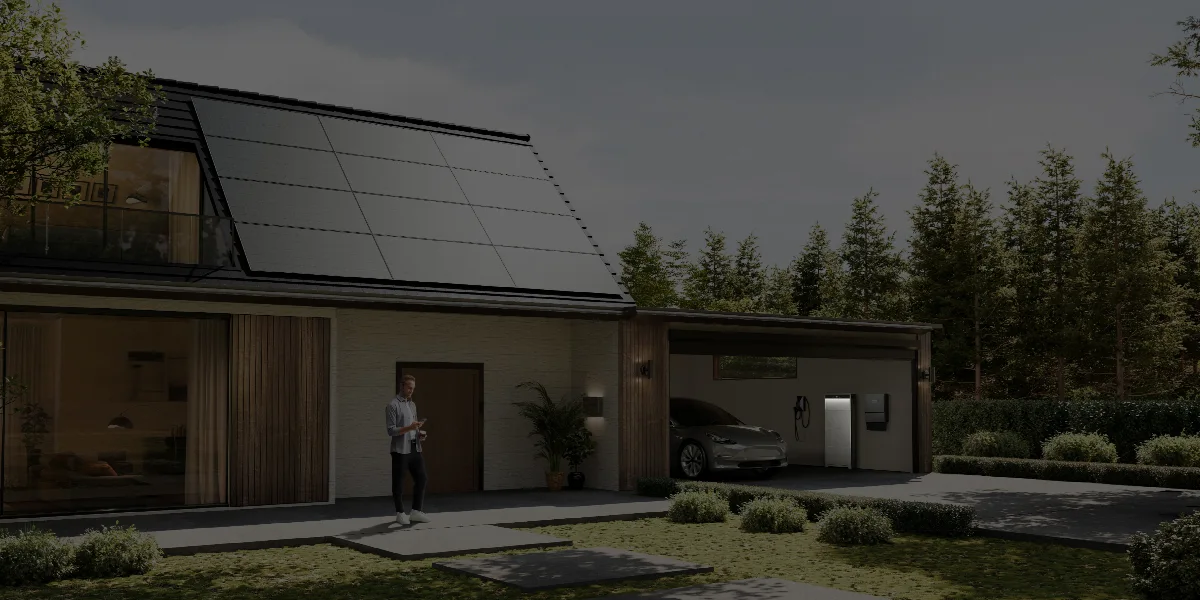
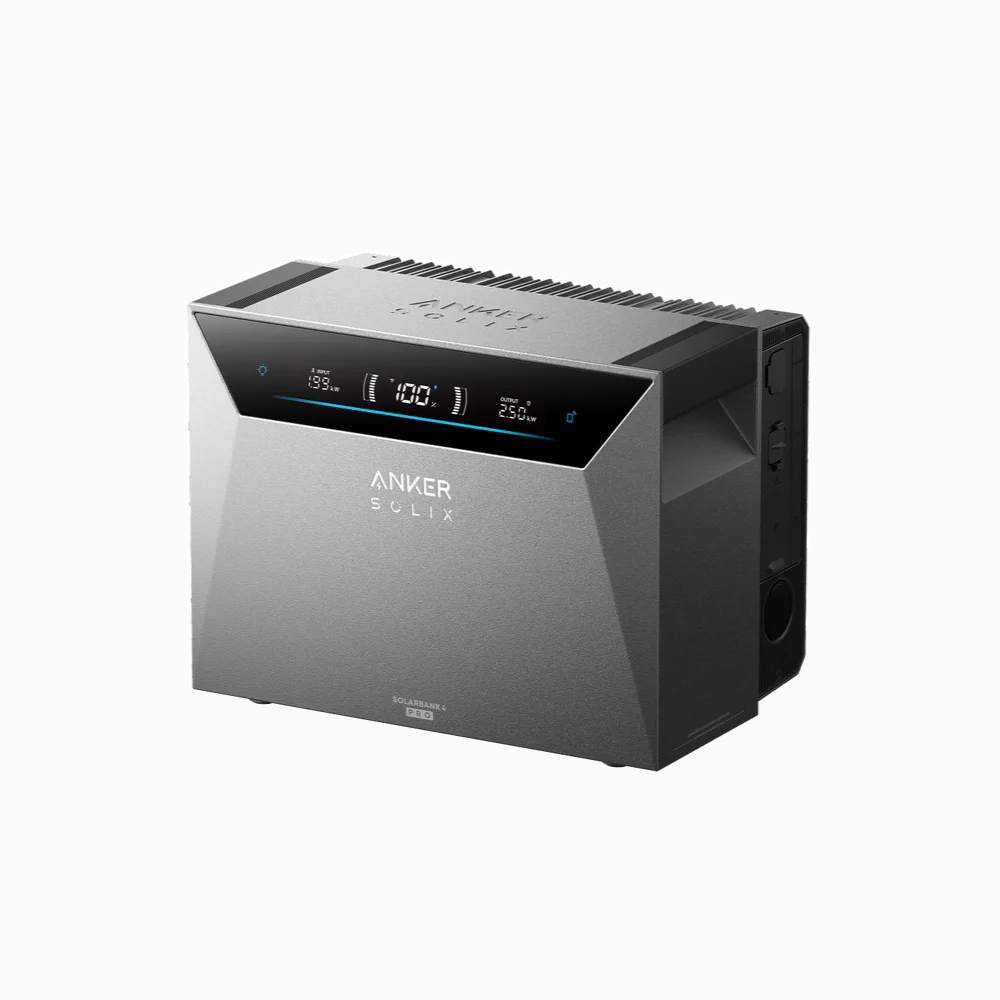
It buys electricity at one time and supplies your home later. Whether it is worth buying depends on your eligible tariff, losses, daily use and installation cost. Sources checked 30 September 2026; all rates below are illustrative, not live offers.
How does a battery without solar work?
A battery can charge from the grid during a cheaper period, then discharge when you would otherwise buy more expensive electricity. The Energy Saving Trust’s battery guide confirms that panels are not required. Storage loses energy in the process, so the difference between two advertised rates is not your net saving.
There are two separate benefits to assess: shifting bills and, if the installation is designed for it, backup during power cuts. Buying one does not automatically buy the other.
A worked example that includes charging losses
Assume the battery supplies 8 kWh to your home each day. Use an illustrative 90% AC-to-AC round-trip efficiency, 10p/kWh charging rate and 28p/kWh rate for the electricity it replaces. These are scenario inputs, not a product specification or an available tariff.
| Step | Calculation | Result |
|---|---|---|
| Energy bought to deliver 8 kWh | 8 ÷ 0.90 | 8.89 kWh |
| Cost to charge | 8.89 × £0.10 | £0.89 |
| Higher-rate import avoided | 8 × £0.28 | £2.24 |
| Daily gross saving | £2.24 − £0.89 | £1.35 |
| Annual gross saving | Unrounded daily saving × 365 | About £493 |
At a purely illustrative £5,500 installed cost, simple payback is about 11.2 years. This assumes the same delivered energy and rates every day. It excludes degradation, standby consumption, finance, maintenance, replacement and any change to standing charges or the cost of electricity the battery does not cover.
That is why a quoted saving is not a guarantee. Ask for a whole-bill comparison against the tariff you would otherwise use, including summer days when the battery cycles less.
Small changes make a big difference
| Scenario | Annual gross saving | Simple payback |
|---|---|---|
| 4 kWh/day; buy at 10p, replace 28p | £247 | 22.3 years |
| 8 kWh/day; buy at 10p, replace 28p | £493 | 11.2 years |
| 8 kWh/day; buy at 15p, replace 28p | £331 | 16.6 years |
Our calculation is: delivered kWh × (avoided rate − charging rate ÷ efficiency) × 365. Use pounds per kWh and efficiency as a fraction. On a flat rate, cycling through a lossy battery increases the energy cost of that electricity rather than creating tariff savings.
Capacity is not the same as daily use. A large battery that sits half-full will not achieve a full-cycle saving. Start with your half-hourly readings and the battery size finder.
Check you can actually join the tariff
Do not plan a battery-only installation around any cheap rate you see online. Octopus Flux requires a solar system and home battery, half-hourly smart-meter readings, and Octopus import and export accounts. It is not a battery-without-solar recommendation.
Intelligent Octopus Go is an EV tariff with vehicle/charger compatibility requirements. A home battery on its own is not enough to assume eligibility.
Before signing an installation contract, confirm eligibility, cheap hours, all unit rates and the standing charge with the supplier. Ask whether the battery controls support the required schedule, and rerun the figures if the tariff changes.
What should the installed price include?
Get a surveyed quote covering battery modules, inverter or controller, protection, metering, cabling, commissioning, grid paperwork and any electrical upgrades. Request backup as a separate option if you need it. A hardware listing does not establish the cost of a working system.
HMRC includes qualifying standalone grid-storage battery installations within its energy-saving-materials relief. The temporary zero rate for qualifying installations runs to 31 March 2027; a supply-only purchase is not the same transaction. Confirm your quote’s treatment against HMRC’s battery guidance and the relief rules.
When is battery storage without solar worth considering?
It deserves a closer look if you can join a suitable tariff, use enough electricity outside cheap hours, and obtain an installed quote whose savings assumptions stand up to scrutiny. It is less persuasive if your usage is low, the rate difference is narrow or you would need expensive finance.
Electric heating can increase the energy you could shift, but check the battery’s power limits and winter demand before assuming it can cover the whole heating load. Renting or leasehold ownership also requires the relevant permissions for a permanent installation.
Compare product configurations in our Powerwall 3 and SigenStor guides. If resilience is your main goal, read what batteries can do in a power cut before comparing payback figures.
A little more clarity
Questions people ask
Can you have a home battery without solar panels in the UK?
Yes. You can install a home battery on its own, charged from the grid. You do not need solar panels for a battery to work.
Is a battery worth it without solar panels?
It can be, but there is no universal saving. Compare your eligible charging tariff, efficiency and actual daily use against the installed cost. Our illustrative 8 kWh/day example produces about £493 a year before additional costs and degradation.
Can I add solar panels to my battery later?
It may be possible, but the system must be designed for the future connection. Ask the installer to specify compatibility and the extra inverter, wiring or commissioning that would be required.
Published information supports your research. Your installer should confirm the exact product, suitability, scope and terms for your property.
Suggest a correction ↗Your next useful step
Put the information to work.
Take the questions that matter to your project, explore the numbers and decide what to ask next.