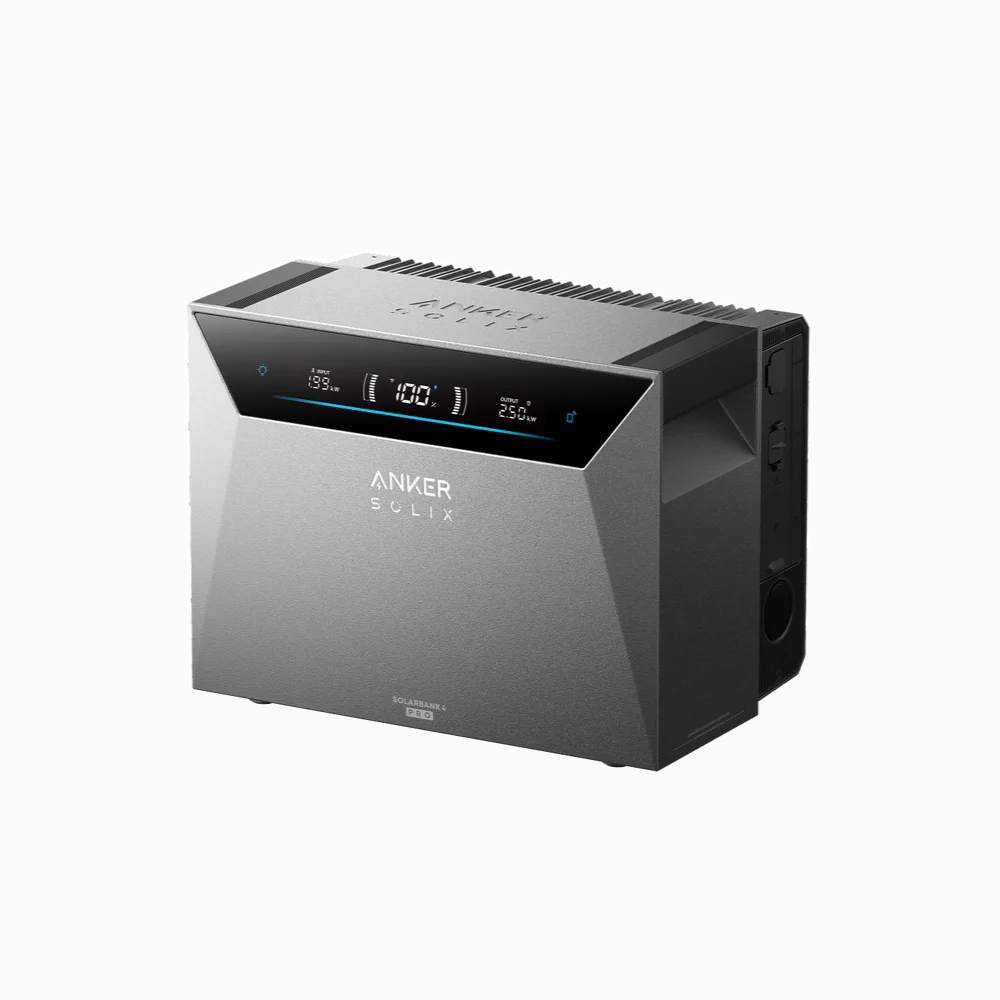
This is a documentation-led guide, not a hands-on test. SigenStor configurations and product generations differ. Get the exact UK model numbers and applicable warranty in writing.
What is Sigenergy SigenStor?
Sigenergy presents SigenStor as a modular energy system combining battery storage, an energy controller and optional EV DC charging. Modules can be stacked to change the storage configuration. The manufacturer’s SigenStor overview explains the architecture.
For a buyer, the important point is that two “SigenStor” quotes may describe substantially different systems. Treat the name as a range, then compare the actual design. This guide concerns SigenStor; do not assume another range, such as SigenStor Neo, shares every specification.
- Battery modules: determine the amount of stored energy and contribute to the system’s charge/discharge capability.
- Energy controller: must be matched to the home, solar array and required output.
- Gateway and backup design: specify the circuits and behaviour during an outage.
- Optional extras: can change the price without increasing useful daily storage.
Nominal module names are not usable kWh
The Europe warranty document dated 27 May 2025 lists these usable-energy figures for the named modules. They are a useful example of why a model number is not a capacity measurement. Confirm the datasheet for the hardware actually being supplied.
| Module | Listed usable energy |
|---|---|
| BAT 5.0 | 5.2 kWh |
| BAT 6.0 | 5.84 kWh |
| BAT 8.0 | 7.8 kWh |
| BAT 10.0 | 8.76 kWh |
Source: Sigenergy Europe warranty, 27 May 2025. This is a dated reference, not confirmation of current stock or the warranty applicable to your purchase.
Adding two listed 7.8 kWh capacities gives 15.6 kWh. That arithmetic does not establish how much AC energy your home receives after conversion losses or how much is available above a backup reserve. Ask for those figures separately.
Also request the commissioned output in kW. An extra module and a larger controller are different upgrades: one may increase stored energy without providing the increase in output you expected.
How to compare SigenStor prices
Heatable’s SigenStor guide, checked 30 September 2026, cites a roughly 13 kWh configuration advertised from around £6,995 installed. Treat this as a published example, not a binding current quote: the controller, modules, backup equipment, VAT treatment and site work must be confirmed. We have not verified a nationwide installed-price average. Ask for a bill of materials and total payable after survey; a bare module listing is not the cost of a complete system.
Send each bidder the same brief: your half-hourly usage, whether you have solar, the backup circuits you want, and any genuine future loads. Ask them to price a suitable base system and then itemise extras.
- Exact module codes, quantities and total usable energy.
- Controller model, supply phase and agreed power limits.
- Gateway, metering, protection and backup circuit work.
- Installation, commissioning, grid paperwork and VAT treatment.
- Any EV equipment, extended warranty or ongoing service charge.
For a made-up comparison, a £7,000 quote with 14 kWh usable capacity is £500 per usable kWh. A £6,000 quote with 10 kWh is £600 per usable kWh. The larger system looks cheaper by that measure, but still costs £1,000 more. If you cannot use the extra capacity, the smaller quote may be the better purchase.
Backup and EV charging: specify the benefit you need
Do not assume every quote includes backup hardware or an EV DC charging module. Ask the installer to identify each optional component, show what it adds, and explain its compatibility with your existing equipment.
Sigenergy’s product page qualifies its vehicle-to-home and vehicle-to-grid claims by vehicle capability, standards and future support announcements. “Ready” is not confirmation that your present car can power your home today. Verify your exact vehicle and installation before paying for that use case. See the manufacturer’s EV feature conditions.
For backup, write down the essentials: lighting, refrigeration, communications and any heating controls you want to retain. Ask for a demonstrated handover, not just an app screenshot or a “whole-home” label.
Check the warranty attached to your quote
Request the current UK-applicable warranty, with its revision date. The year count is only one part: compare energy retention, throughput limits, internet requirements and the terms for the controller, gateway and optional equipment. Sigenergy publishes region-specific documents through its warranty centre.
Ask whether an advertised extension is a manufacturer extension or an installer promise; whether it is included; and who registers it. Keep evidence of activation with your invoice. A long warranty is less useful if nobody can explain the claim process or who pays for a site visit.
When should you shortlist SigenStor?
Our assessment: a modular system is worth considering when you want to tailor storage to your measured use and have a clear plan for later expansion. It also makes careful specification more important: agree the final components before comparing prices.
If your goal is simply shifting a few units of electricity each evening, ask for a straightforward configuration without extras first. If backup or EV integration is the main reason for buying, insist on evidence that the precise installed system supports it.
Use our battery size finder, then compare with the Powerwall 3 buying guide and our side-by-side comparison.
A little more clarity
Questions people ask
Is every SigenStor quote for the same battery?
No. Module model, quantity, energy controller, gateway and optional charging equipment can vary. Compare the full parts list and usable capacity rather than the SigenStor name alone.
Does a SigenStor include an EV DC charger?
Do not assume so. Ask whether the EV DC charging module is actually included, what it costs, and whether its functions are supported by your exact vehicle and UK installation.
Published information supports your research. Your installer should confirm the exact product, suitability, scope and terms for your property.
Suggest a correction ↗Your next useful step
Put the information to work.
Take the questions that matter to your project, explore the numbers and decide what to ask next.