Based on Anker’s UK X1 information. This is not a hands-on review. Confirm the current UK model, technical documents and warranty with the installer.
Where X1 fits in Anker’s range
X1 belongs in a comparison of installed home batteries. It combines a power module with battery modules, so the model of the controller and the number of batteries both matter. Ask for the complete system description before comparing a headline price.
Anker’s UK page describes 5 kWh battery modules, single-phase power options from 3.68 to 6 kW, and three-phase options from 5 to 12 kW. Its illustrated single-phase system allows up to six battery modules. Those figures describe product configurations, not an approved design for your home.

Three different Anker buying decisions
| Route | Start with this question | What to compare |
|---|---|---|
| X1 installed system | What should storage do for the whole property? | Modules, controller, solar compatibility, backup design and installed cost. |
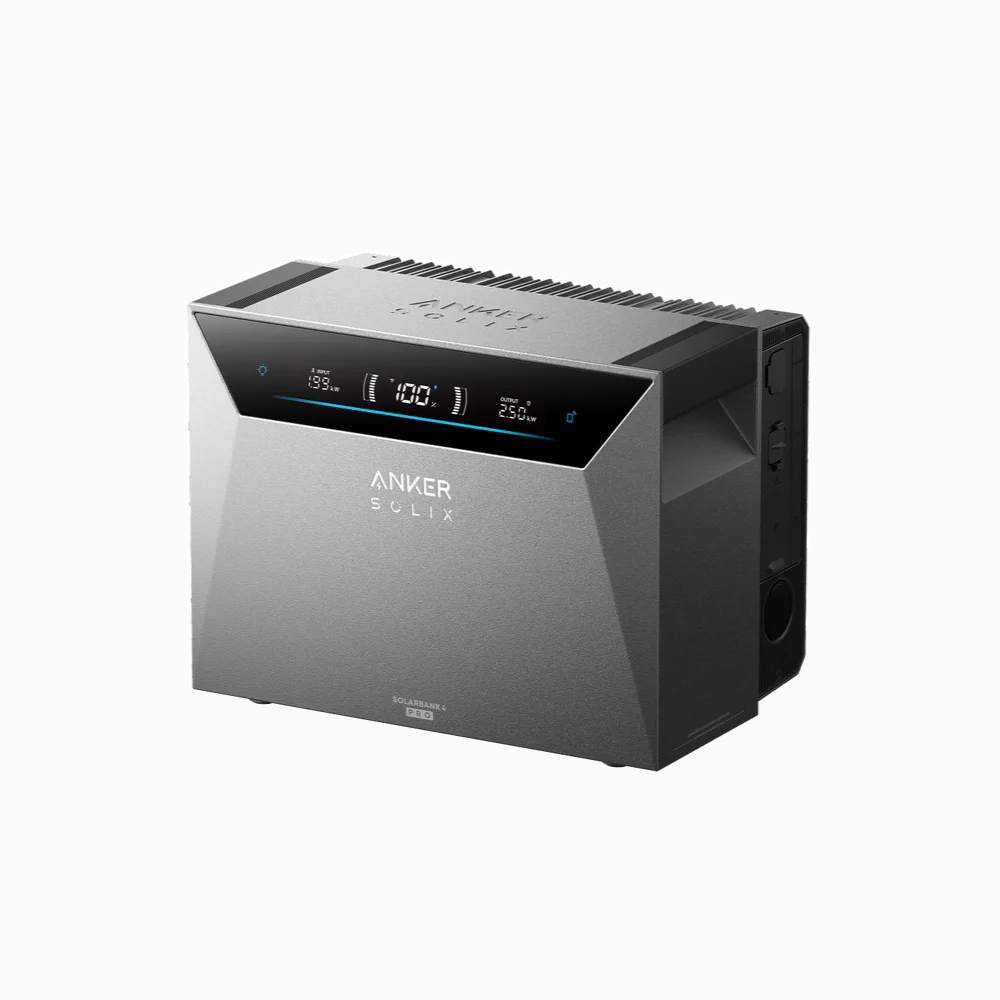
| Solarbank 4 Pro | Would a smaller storage starting point cover the energy I can shift? | Delivered energy, commissioned output, metering and the required hardwired installation. |
| Portable power station | Which individual appliances do I need to supply? | The exact model’s sockets, continuous output, runtime and charging inputs. Do not assume it feeds fixed house wiring. |
For the smaller installed option, read our Solarbank 4 Pro guide. For solar generation without a battery, read the separate plug-in solar explainer.
Make the installer separate energy from power
Energy, in kWh, answers how long stored electricity can last. Power, in kW, answers how much can run at once. Doubling storage does not automatically double the output your home is permitted to use.
For illustration, 8 kWh of energy actually available to appliances could supply a steady 1 kW load for eight hours. The same energy supplies a 4 kW load for two hours, if the system supports that output. Real appliance cycling and additional losses change runtime. This arithmetic is not an X1 capacity or performance guarantee.
Get usable energy after the proposed reserve, continuous charge/discharge power and any grid export limit written on the same proposal. Compare those figures with your half-hourly demand.
Backup needs its own specification
Anker markets X1 with backup features and additional integration equipment. Decide which circuits you actually need: refrigeration and communications are a different brief from an electric shower, heating and vehicle charging together.
- Which circuits work when the grid fails?
- What switching, isolation and control equipment is included?
- Can the existing solar inverter recharge storage during an outage?
- What continuous output and starting loads can the proposed configuration support?
- How much energy is reserved, and how does that affect everyday tariff shifting?
Read why a battery does not automatically mean whole-home backup before paying for the feature. A generic switching-time headline cannot establish how your complete installation behaves.
Request a quote you can compare
Anker lists a 10-year warranty on its UK X1 page. Request the complete policy, including capacity conditions and any requirements for operation, connectivity or registration. Separately establish who pays for labour, transport and call-outs.
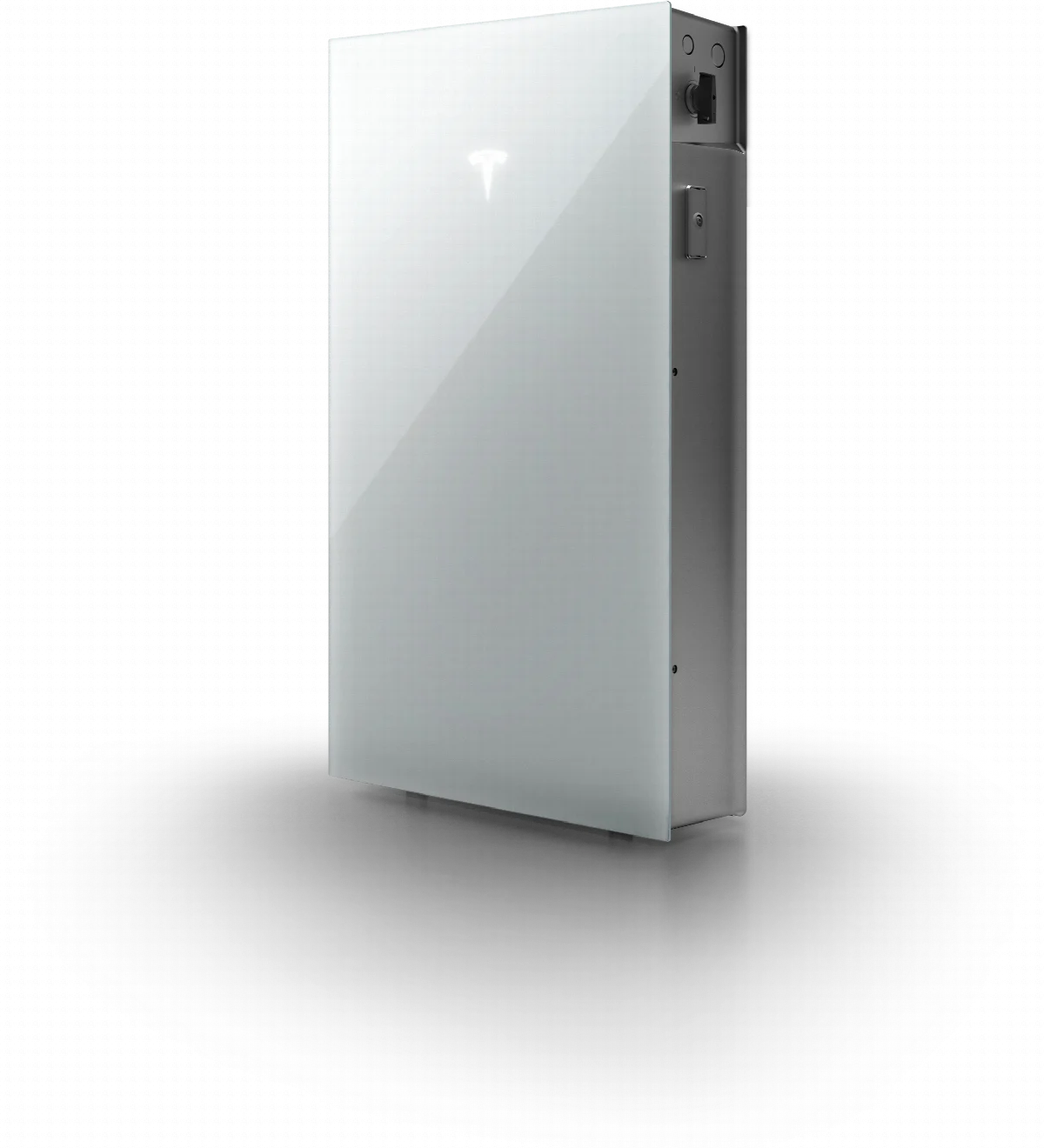
We have not established a representative installed UK price for X1. Obtain a proposal naming every module and accessory, the electrical and building work, commissioning, network permissions, VAT and aftercare. Compare the same scope with Powerwall 3 or SigenStor.
Our assessment: X1 is worth investigating when modular capacity and an integrated installed system fit the project. Use the battery scenario tool to check whether the energy you can shift supports the proposed spend, then ask an installer to validate the design.
Primary source: Anker SOLIX X1 UK, checked 30 September 2026. Regional maximums and website illustrations should not substitute for the documents for your exact configuration.
A little more clarity
Questions people ask
Is Anker SOLIX X1 a plug-in battery?
No. Treat X1 as a professionally designed and installed home storage system. It is separate from the solar-only plug-in route and from portable power stations.
Does adding X1 batteries automatically increase output?
Extra modules increase stored energy, but system output also depends on the power module, configuration and commissioned limits. Ask for both the usable kWh and permitted kW.
Published information supports your research. Your installer should confirm the exact product, suitability, scope and terms for your property.
Suggest a correction ↗Your next useful step
Put the information to work.
Take the questions that matter to your project, explore the numbers and decide what to ask next.