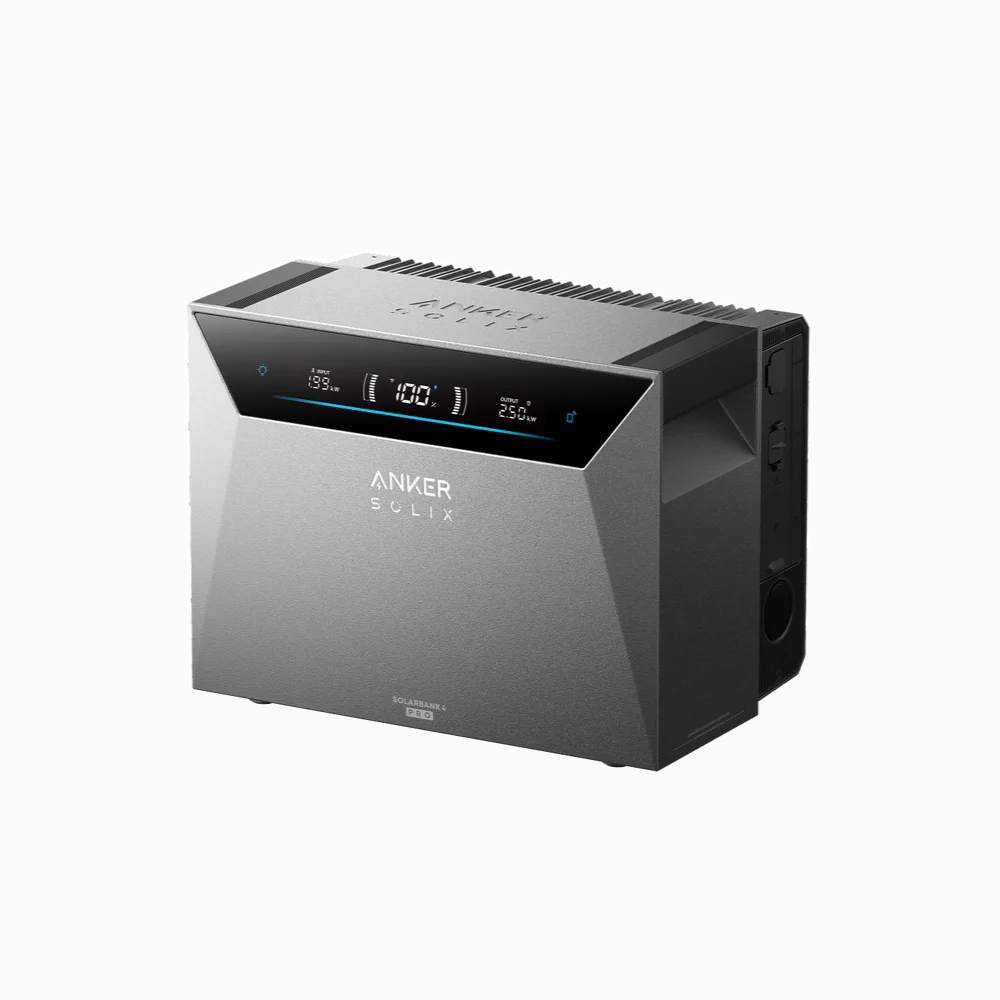
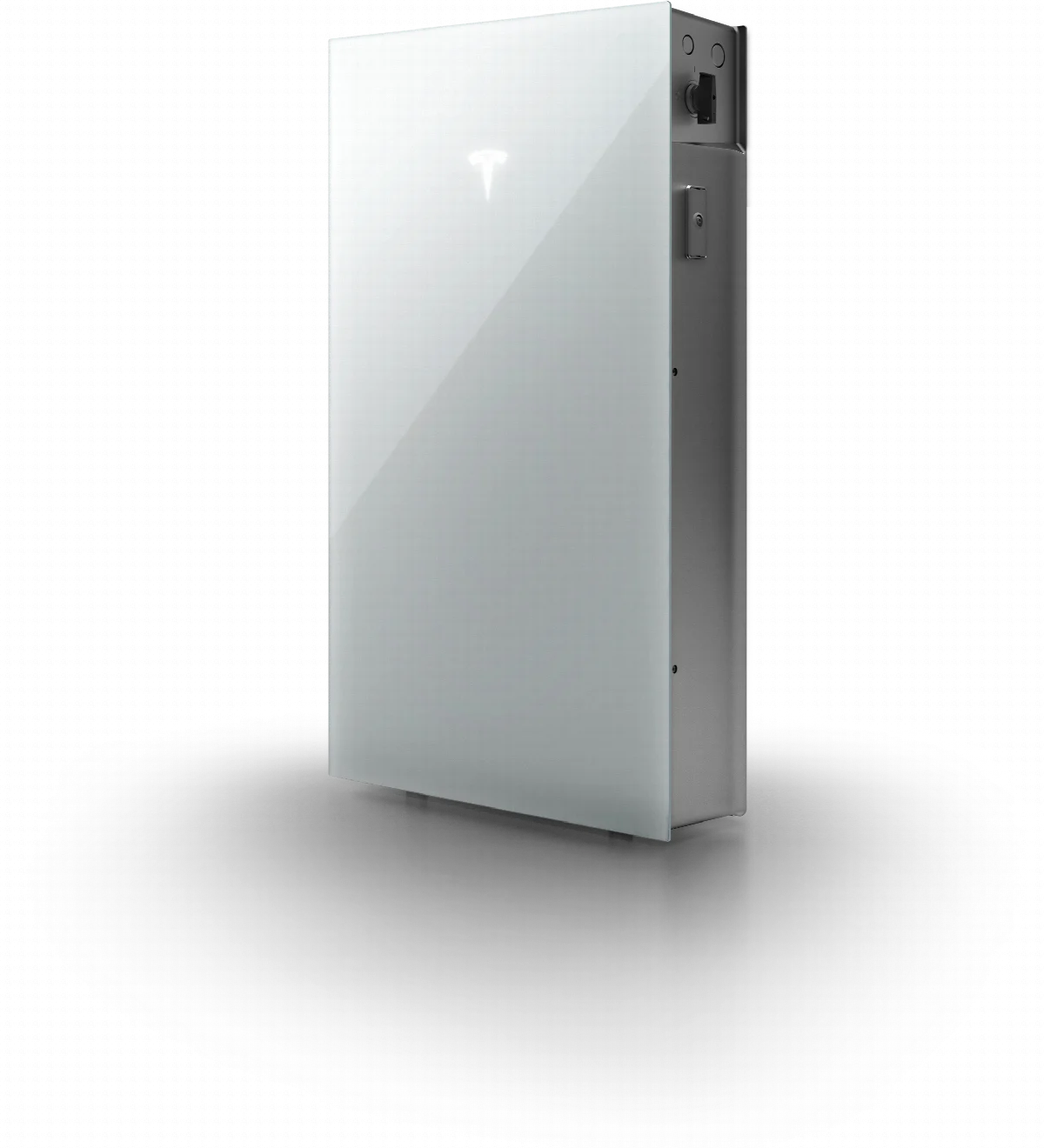
This is a buying comparison, not a laboratory test or an installer quote survey. We have not tested reliability, app performance or customer service. Our conclusions are about how to compare the proposed installations.
The quick answer
Shortlist Powerwall 3 if a 13.5 kWh base unit suits your measured needs and its installation design fits your home. Shortlist SigenStor if you want an installer to tailor a modular configuration. For either, compare the usable energy, commissioned output and backup equipment on the quote.
Those are starting points, not a product ranking. A smaller, less expensive battery may be the better buy if you only shift a few kWh each day. Conversely, a household prioritising outage cover may reasonably accept a longer financial payback.
Side-by-side: what you are actually choosing
| Question | Tesla Powerwall 3 | Sigenergy SigenStor |
|---|---|---|
| Storage format | 13.5 kWh base unit; Expansion options | Stackable modules; capacity depends on the supplied configuration |
| Power output | UK nominal AC output at 230 V up to 11.04 kW; configuration matters | Depends on controller, module configuration and site limits |
| Power cuts | Backup and non-backup installations exist | Get the gateway, circuits and backup capability explicitly specified |
| Existing solar | Ask how the existing inverter or array will connect | Ask how the selected controller integrates with the existing system |
| Expansion | Price additional energy separately from additional output | Confirm module compatibility, space and commissioning costs |
| Installed price | Survey and itemised quote needed | Survey and itemised quote needed |
Sources: Tesla’s UK model overview, Tesla’s backup distinction, and Sigenergy’s SigenStor overview.
Give both installers the same brief
Specify the outcome before specifying the brand. Send your half-hourly electricity data, current tariff, solar details and a list of appliances you want backed up. Ask both installers to model the same usage and tariff assumptions.
A useful brief might read: “We need to shift around 8 kWh out of the expensive period on a typical day. Please separate the price of backing up our lighting, fridge and home office. Show the effect of keeping a reserve for outages, and price a future capacity expansion separately.” Replace those example needs with your own.
Then compare these five totals: installation cost, usable daily energy after reserve, annual benefit under the same assumptions, ongoing charges, and any additional work excluded from the price. Keep VAT treatment consistent.
When more storage is worth paying for
Suppose one proposal costs £1,500 more and allows you to shift an extra 2 kWh on 250 days each year. At an illustrative net benefit of 15p per extra delivered kWh, that upgrade adds £75 a year. Its simple incremental payback is 20 years, before degradation, finance and repairs.
The calculation is 2 × 250 × £0.15 = £75, then £1,500 ÷ £75 = 20. These figures are not either manufacturer’s savings forecast. They show why comparing only price per kWh of capacity can reward oversizing.
If backup duration is valuable to you, record that as a separate reason for the larger system. It should not be disguised as bill savings.
Compare warranty conditions as well as years
Ask each installer for the exact warranty document applying to your order. Put retained capacity, throughput, eligible operating modes, connectivity and service costs in adjacent columns. Ask whether the controller, battery and gateway have the same cover.
Tesla publishes a European warranty with UK-specific retention terms. Sigenergy maintains a regional warranty centre. Read the document relevant to the supplied model, rather than substituting a warranty from another market or an older product generation.
For both brands, agree who handles a claim if the installer is unavailable. Keep the answer with the contract and commissioning documents.
Our buying recommendation
Choose the proposal that meets your measured needs with a clear specification and an accountable installer. Ask the installer to justify every upgrade in terms of a load, an outage requirement or a measurable saving. If a headline claim cannot be tied to your proposed configuration, leave it out of the comparison.
Read the detailed Powerwall 3 guide and SigenStor guide before requesting comparable quotes. If you do not have solar, start with our battery-only savings example.
A little more clarity
Questions people ask
Is SigenStor better than Powerwall 3?
There is no universal winner. Compare the exact system configuration, the amount of capacity you will use, backup coverage and the total installed price. We have not independently tested the two products.
Which is cheaper to install?
That needs comparable site-specific quotes. Module counts, backup equipment, electrical work and optional extras can change the total substantially. A hardware-only price is not an installed-system comparison.
Published information supports your research. Your installer should confirm the exact product, suitability, scope and terms for your property.
Suggest a correction ↗Your next useful step
Put the information to work.
Take the questions that matter to your project, explore the numbers and decide what to ask next.